
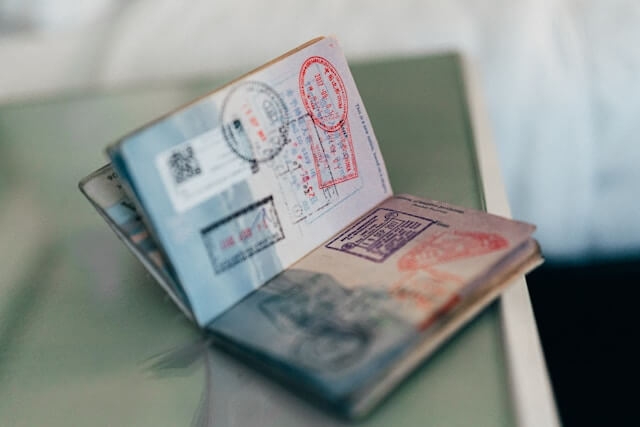
10 Common Mistakes To Avoid When Applying For Visas
This Post Could Contain Affiliate Links. This means I could Get Paid if You Purchase or Subscribe to a Service Through My Link at No Extra Charges. Click Here to Buy me a coffee
1. Incomplete or Incorrect Documentation
- Review the visa requirements: Each visa type has specific document requirements, including forms, identification, financial statements, and health insurance. Visit the official embassy or consulate website for an updated list of required documents.
- Make a checklist: Before submitting your application, create a checklist of all required documents to ensure everything is included.
- Double-check for errors: Small mistakes like misspelled names or incorrect dates can lead to complications. Carefully proofread all your documents, especially if they are translated from another language.
- Seek professional help: If you’re unsure about any document, consult with an immigration lawyer or an expert to ensure everything is accurate.
2. Not Meeting Eligibility Requirements
- Check all requirements: Understand the full set of eligibility criteria for your visa. This may include financial thresholds, proof of employment, educational qualifications, or health requirements.
- Ensure your finances are in order: Many countries require proof that you can support yourself while staying there. Make sure you have enough funds in your bank account and prepare documents such as salary slips or bank statements.
- Understand age and health criteria: Certain visas have age restrictions, and health criteria (such as a medical exam) might be required depending on the country.
- Consult official sources: Always refer to the official immigration website of the country you’re applying to for the most accurate and up-to-date eligibility details.
3. Missed Deadlines
Join Us on Email Newsletter
- Start early: Visa applications often take several weeks or even months to process. Start gathering documents and filling out forms well in advance of the deadline.
- Set reminders: Use a calendar or app to set reminders for each step of the visa application process, including document submission, interviews, and follow-ups.
- Be aware of time zone differences: When dealing with international applications, always account for time zone differences. Ensure you submit everything before the closing time in the country you are applying to.
4. Falsifying Information
- Be honest: Always provide truthful information. Immigration authorities cross-check data and can easily identify inconsistencies.
- Be transparent: If there are areas where you’re unsure, it’s better to disclose this than to hide information. Immigration officers are trained to understand complex cases.
- Understand the consequences: Know that falsifying documents or giving false statements can result in serious legal consequences, including being permanently banned from applying for visas to that country.
5. Failing to Prepare for an Interview
- Understand what to expect: Research common questions asked in visa interviews. For example, they may ask about your travel plans, your financial situation, or your intent to return to your home country.
- Be confident and clear: Practice your answers to questions beforehand so that you can speak clearly and confidently during the interview.
- Show consistency: Ensure the information you provide in your interview matches the information you’ve submitted in your application. Any discrepancies could raise red flags.
6. Not Understanding the Visa’s Terms and Conditions
- Read your visa carefully: Once approved, take the time to read the terms and conditions associated with your visa. This includes understanding the length of your stay, any work restrictions, and rules about renewing or extending your visa.
- Stay informed: Laws and regulations around visas change frequently. Make sure you stay updated on any changes that could affect your status during your stay.
- Be aware of the expiration date: Mark the expiration date of your visa and take necessary actions before it expires, such as applying for an extension or preparing to leave.
7. Assuming You’re Guaranteed Approval
- Understand that approval is not guaranteed: Even if you meet all eligibility criteria, your application could still be denied due to factors like your immigration history, criminal record, or ties to your home country.
- Have backup options: In case your visa is rejected, know your options for appeal or alternative routes for staying in the country, such as applying for a different visa category.
- Consult an expert: If you’re unsure about your chances of approval, consider consulting with an immigration lawyer who can help you assess your application more accurately.
8. Ignoring the Importance of Visa Fees
- Know the fees: Different visa types come with different fee structures. Research the fees involved with your visa and ensure you make the correct payment.
- Check payment methods: Some countries accept only certain payment methods, such as bank transfers, credit cards, or payment through consular offices.
- Ensure timely payment: Ensure your payment is processed on time to avoid delays. Many embassies will not process your application without the appropriate payment.
9. Not Keeping Track of Your Application Status
- Track your application: Many embassies and consulates provide online tracking services to monitor your application’s status.
- Follow up on updates: If you haven’t heard from the embassy within the expected time frame, don’t hesitate to follow up and check the status.
- Respond promptly: If you receive a request for additional documents or an interview invitation, respond as soon as possible to avoid delays.
10. Overlooking Cultural and Legal Differences
- Research the culture: Before moving to a new country, research its culture, laws, and expectations. Understanding local customs will help you integrate more easily and avoid unintentional offenses.
- Comply with local laws: Make sure you understand the legal restrictions, especially if you’re planning to work, study, or do business while on your visa.
- Respect social norms: Learning about and respecting cultural norms can improve your overall experience in the country and help you build better relationships with locals.