
Hulk Hogan: 7 Surprising Facts About the Wrestling Icon You Probably Didn’t Know
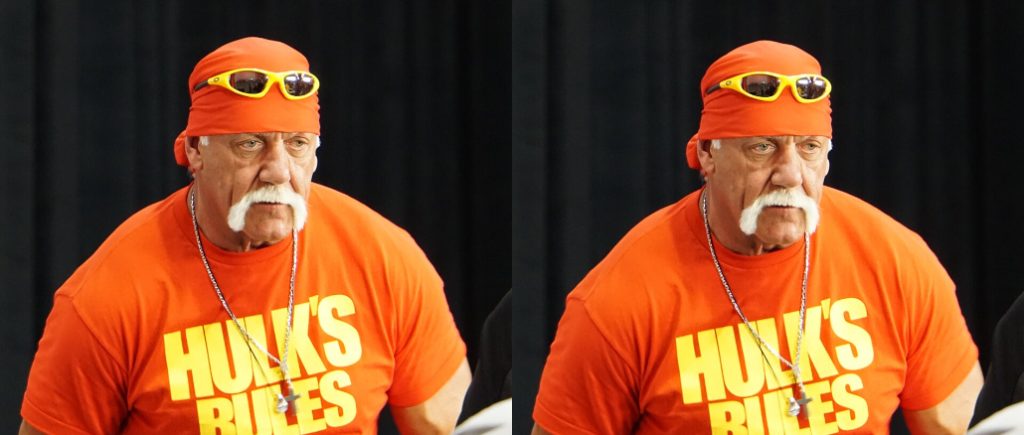
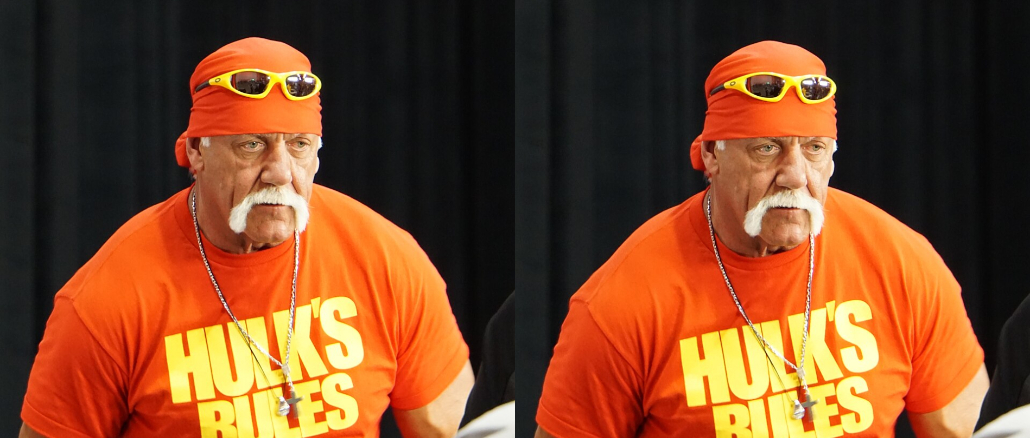
Hulk Hogan, arguably one of the most iconic names in wrestling history, passed away on July 24, 2025, at the age of 71. Known for his charismatic presence, booming voice, signature bandana, and unmatched showmanship, Hogan’s popularity gave rise to a movement dubbed “Hulkamania.”
While fans know him for his legendary career which includes 12 world championship titles across WWE and WCW there are many lesser-known facts about the man behind the mustache. Here’s a closer look at the other side of Terry Eugene Bollea, a.k.a. Hulk Hogan.
1. His Ring Name Originated on a Talk Show
Before he became Hulk Hogan, Terry Bollea wrestled under names like Terry Boulder, Super Destroyer, and Sterling Golden. But everything changed when he appeared on a talk show alongside actor Lou Ferrigno, who played The Incredible Hulk. At 6’7″ and over 300 pounds, Bollea dwarfed Ferrigno, prompting the host to nickname him “Hulk.”
In 1979, under the guidance of Vince McMahon Sr., Hogan adopted the last name “Hogan” to fit an Irish wrestling persona. Though initially skeptical of the name, he later admitted, “It stuck. It worked. And it became everything.”
2. He Wanted to Be a Baseball Star
Growing up in Tampa, Florida, Hogan dreamed of being a professional pitcher. His Little League team even made it to the regional finals in 1966. Unfortunately, an elbow injury in high school crushed his baseball aspirations. Reflecting later, Hogan said, “It was the best thing that ever happened to me. That injury led me to wrestling.”
3. He Was a Musician Before Wrestling
In junior high, Hogan picked up the guitar and soon joined a rock band called Ruckus. Known for their powerful sound, Hogan played bass guitar, and the band was gaining local traction. They even got offers to tour with Blackfoot and Mother’s Finest, but the other members turned it down to stay close to their families.
“We could’ve made it in music,” Hogan said. But fate had different plans.
4. He Used to Be Terrified of Wrestlers
Despite being a fan, Hogan admitted he was once “scared to death” of wrestlers. “Back in the day, if you called wrestling fake, they’d punch you,” he said. But everything changed when wrestlers began attending his band’s gigs. Encouraged by legendary manager Oliver Humperdink, Hogan tried out for wrestling and broke his leg on the first day of training under Hiro Matsuda. Still, he returned, earning Matsuda’s respect.
5. His Parents Once Disapproved of His Career Choice
Before wrestling full-time, Hogan studied economics and management at the University of South Florida and focused on music. His parents were devastated when he left college to become a pro wrestler, and it caused tension in their relationship.
That changed in 1984 when he defeated The Iron Sheik at Madison Square Garden to win his first WWF title. “My parents were in the crowd,” he recalled. “They came backstage afterward and told me how proud they were. That was the best moment of my career.”
6. His WrestleMania III Match Changed Wrestling Forever
At WrestleMania III in 1987, Hogan faced off against Andre the Giant in front of over 90,000 fans in Detroit’s Pontiac Silverdome. When Hogan lifted and slammed the 500-pound giant (exaggerated to 700 pounds in lore), it became known as “The Slam Heard Around the World.”
“It sent tremors around the globe,” Hogan recalled. The match elevated professional wrestling to a global spectacle and sealed Hogan’s status as a pop culture icon.
7. His Feud With Randy Savage Extended Beyond the Ring
One of wrestling’s most storied rivalries was between Hulk Hogan and “Macho Man” Randy Savage. But behind the scenes, their conflict turned personal. Savage accused Hogan of contributing to the downfall of his ex-wife, Miss Elizabeth, who later died of a drug overdose.
In 2003, Savage released a diss track titled “Be a Man,” calling Hogan out directly: “Used to be hard, Hulk, now you’ve gone soft.” Despite the tension, they eventually reconciled after a chance meeting at a doctor’s office in Tampa. “I thank God we made peace before he died,” Hogan said after Savage’s death in 2011.
Final Word
Hulk Hogan’s influence on professional wrestling is undeniable. From shaping WWE’s golden era to becoming a household name in film, TV, and pop culture, Hogan was more than just a wrestler — he was a global icon. His passing marks the end of an era, but his legacy will live on in the hearts of Hulkamaniacs worldwide.